What is atrial fibrillation?
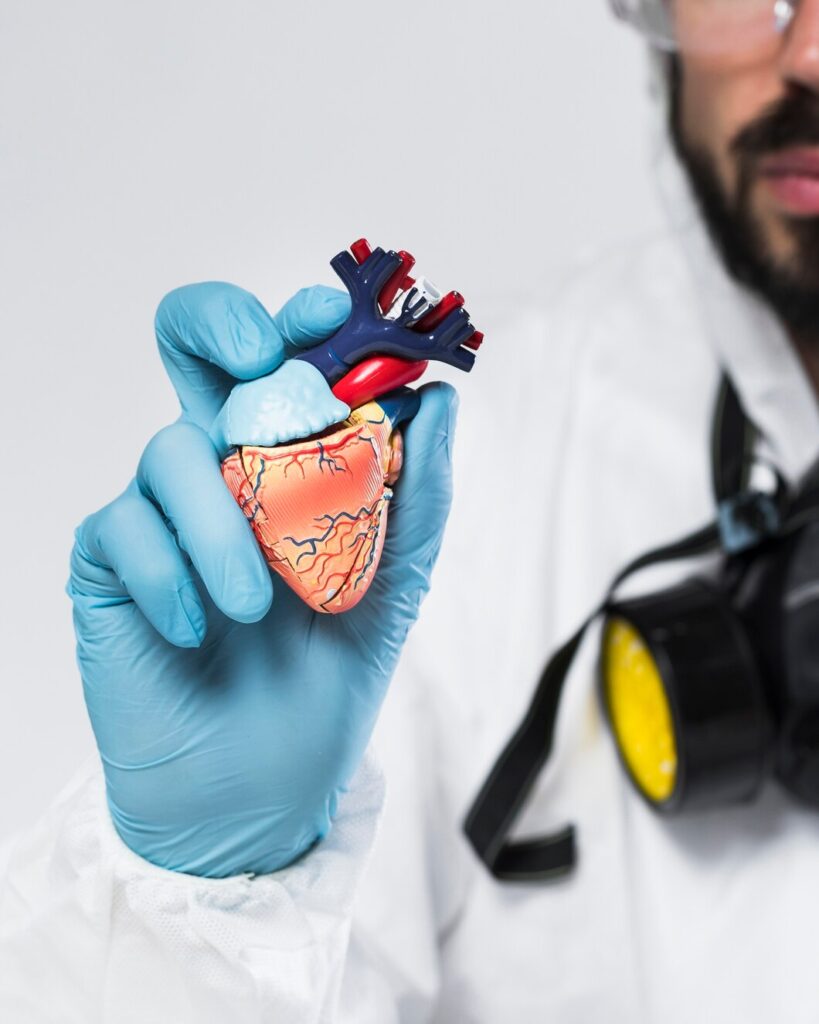
Atrial fibrillation is the most common type of heart arrhythmia, or irregular heartbeat. In this condition, the heart’s two upper chambers (atria) beat irregularly and out of rhythm. Because of this, the heart rate often becomes fast and the upper chambers no longer coordinate properly with the lower chambers.
What causes atrial fibrillation?
Atrial fibrillation develops when heart tissue is damaged or when the heart’s electrical signals don’t function correctly. Heart-related and long-term health conditions that may lead to atrial fibrillation include:
High blood pressure
Heart valve disease
Congenital heart defects
Coronary artery disease (blocked arteries)
Cardiomyopathy (heart muscle disease)
Hyperthyroidism (overactive thyroid)
Myocarditis (inflamed heart muscle)
Chronic conditions such as diabetes, obesity, and sleep apnea can also increase your risk.
What symptoms develop if I have atrial fibrillation?
Common symptoms include:
If left untreated for a long time, atrial fibrillation may lead to serious complications such as blood clots, heart failure, stroke, or heart attack.
How is atrial fibrillation treated?
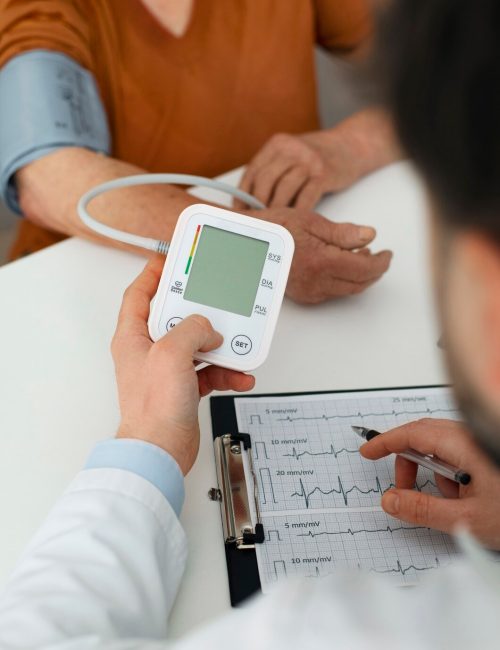
After reviewing your symptoms and performing a physical examination, the team at Padder Health Services may recommend diagnostic tests such as an electrocardiogram (ECG) and/or echocardiogram, often completed during the same visit. Your provider then creates a personalized treatment plan based on the type and severity of your condition.
Treatment options often include:
Lifestyle changes
A heart-healthy diet and regular exercise help protect your heart and manage conditions like high blood pressure and diabetes.
Medications
Medicines may be prescribed to control heart rate, manage cholesterol or blood pressure, and reduce the risk of blood clots.
Minimally invasive procedures
Specialized procedures may include:
Catheter ablation to remove abnormal electrical pathways
Cardioversion to restore normal heart rhythm
Left atrial appendage closure to lower clot risk
Pacemaker implantation to regulate heart rate
If you notice palpitations or other signs of atrial fibrillation, contact Padder Health Services or schedule an appointment online for timely evaluation and care.