What causes chest pain?
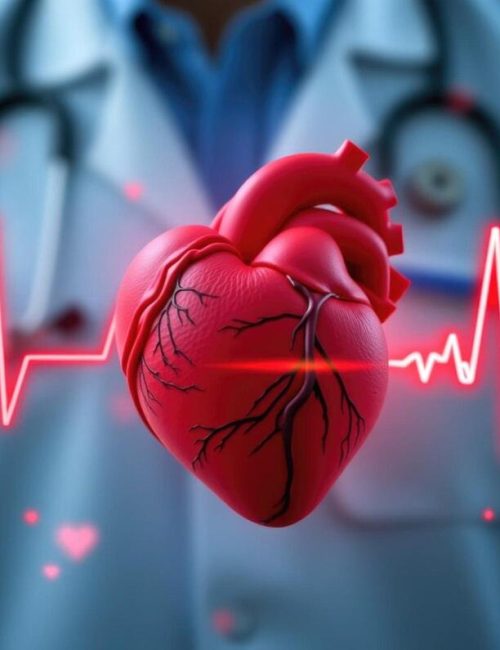
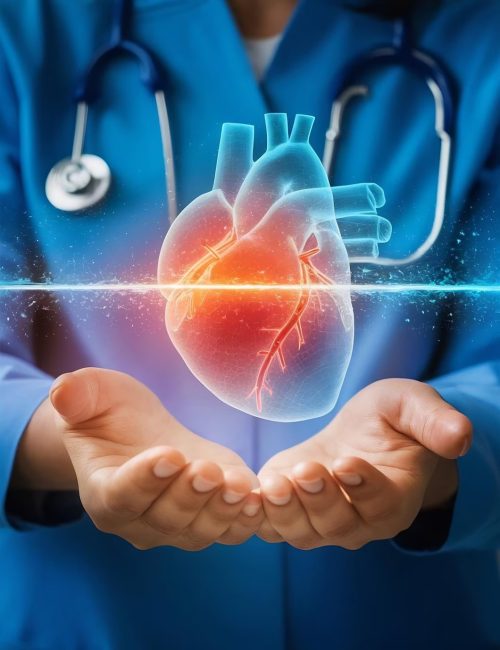
Chest pain can occur due to many conditions that are not related to the heart. Problems such as acid reflux, gallbladder disease, or a strained back muscle may all lead to discomfort in the chest. However, chest pain is also a major symptom of heart-related conditions, including:
Heart attack
Coronary artery disease
Aortic dissection (tear in the aorta)
Heart valve disease
Myocarditis (inflamed heart muscle)
Pericarditis (inflamed heart lining)
Chest pain caused by narrowed or blocked coronary arteries is known as angina.
What other symptoms accompany chest pain?
When chest pain is related to heart disease, it often occurs along with other symptoms. Depending on the cause, you may experience:
Shortness of breath
Tightness or pressure in the chest
Pain that worsens with activity
Varying intensity of pain
Racing or fluttering heartbeat
Swelling in the legs or feet
Excessive sweating
Nausea or vomiting
Fatigue
Cough
Seek immediate medical care if you have signs of a heart attack, such as sudden chest pain or crushing pressure, breathing difficulty, or pain spreading to the jaw, neck, back, shoulders, or arms.
How do cardiologists diagnose chest pain?
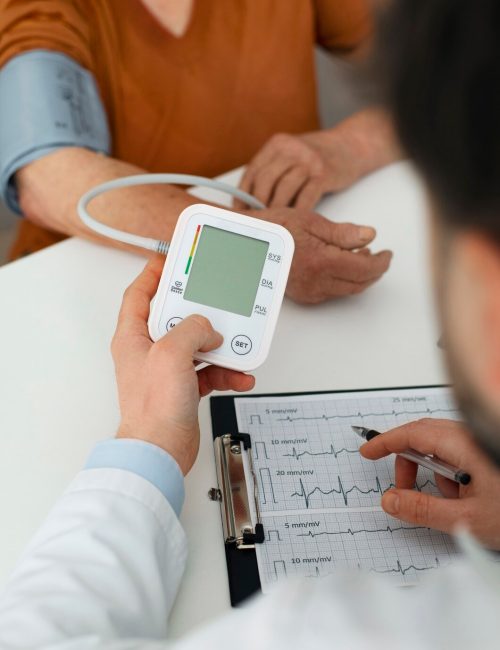
Diagnosis begins with a detailed discussion of your symptoms and medical history, followed by a careful physical examination. At Padder Health Services, on-site tests help quickly identify the cause of your discomfort. When a heart condition is suspected, tests may include an electrocardiogram (ECG), echocardiogram, or ultrasound. Additional testing, such as a stress test or Holter monitor, may also be recommended if needed.
How do cardiologists treat chest pain?
At Padder Health Services, treatment focuses on the underlying cardiovascular condition and may include lifestyle changes, medications, and minimally invasive procedures. Early detection allows lifestyle improvements — such as a heart-healthy diet, regular exercise, quitting smoking, and weight control — to slow disease progression and manage conditions like high blood pressure.
Medications may be prescribed to treat the cause of chest pain. When necessary, specialized minimally invasive procedures performed through the blood vessels can address the problem directly, including angioplasty and stenting, catheter ablation, and pacemaker placement.
Don’t delay care for chest pain. Call Padder Health Services or request an appointment online today.