What is an echocardiogram?
An echocardiogram is a digital imaging test that uses sound waves to create real-time pictures of your heart. This allows the team at Padder Health Services to evaluate how well your heart beats and pumps blood, helping detect possible heart disease early.
There are several types of echocardiograms, including:
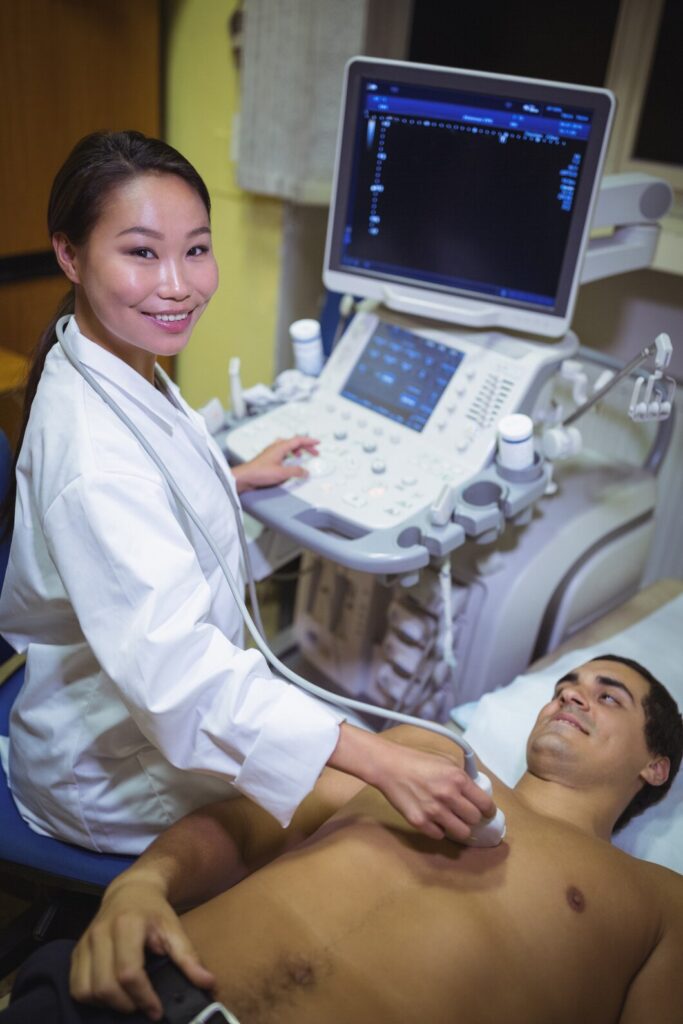
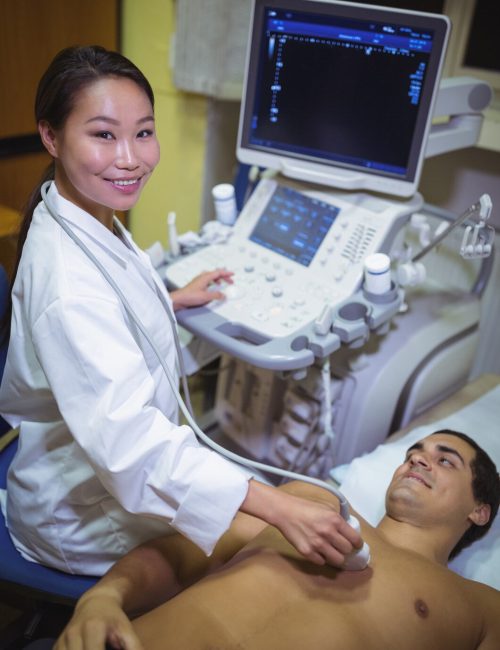
Transthoracic — a small device (transducer) is placed on your chest to capture images
Transesophageal — the transducer is gently guided through the esophagus for clearer views
Doppler — measures the speed and direction of blood flow through the heart
Stress — evaluates heart performance during physical activity
We may also perform nuclear stress testing, where a special dye is injected into the bloodstream to identify blocked or partially blocked arteries.
Why do I need an echocardiogram?
Your provider may recommend this test to examine the heart’s chambers, valves, and pumping ability. It can help detect:
Heart size changes
Structural defects
Muscle damage
Blood clots
Aortic abnormalities
Pumping strength issues
Valve disorders
Fluid around the heart
What can I expect during an echocardiogram?
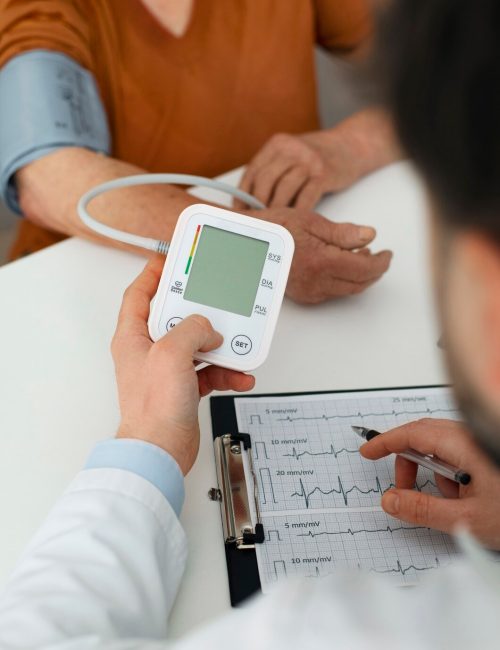
An echocardiogram usually requires little preparation and no recovery time. After removing clothing from the waist up, you lie on an exam table while small electrodes are placed on your chest to monitor heart activity. Images are displayed on a monitor for review.
For transthoracic tests, a gel is applied to your chest to improve soundwave transmission, and you may be asked to adjust your breathing or position.
For transesophageal tests, a numbing spray or gel is applied to your throat, and a mild sedative may be given to keep you comfortable.
The procedure typically takes less than an hour. Based on the results, your provider may explain your condition or recommend further testing, such as CT scans or coronary angiography, if needed.
To schedule an echocardiogram, call Padder Health Services or book your appointment online today.