How Does Menopause Affect Heart Health?
The drop in estrogen during menopause has a major effect on cardiovascular health. Estrogen normally helps keep blood vessels flexible, supports healthy cholesterol levels, and reduces plaque buildup in arteries. As estrogen declines, the risk of heart disease, high blood pressure, and unhealthy lipid levels increases. The years after menopause are especially important because the loss of estrogen can speed up cardiovascular aging. Women who already have risk factors such as a family history of heart disease, hypertension, or diabetes are at even greater risk.
At Padder Health Services, we perform detailed cardiovascular assessments to evaluate these risks and help women better understand their heart health so they can make informed decisions about their care.
Hormone Replacement Therapy (HRT) and Cardiovascular Considerations
Hormone replacement therapy (HRT) involves supplementing estrogen, and sometimes progesterone, to relieve menopausal symptoms like hot flashes, night sweats, and mood changes. In some cases, HRT may improve cholesterol balance and blood vessel function, but its cardiovascular effects vary and may carry risks for certain individuals.
At Padder Health Services, we do not prescribe HRT, but we provide cardiac evaluation and medical clearance for patients considering this treatment to ensure it is safe based on their heart health.
What to Expect from Care at Padder Health Services
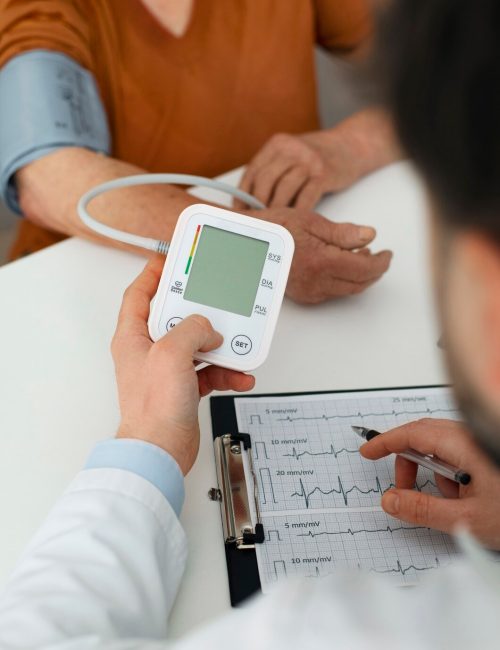
Your care begins with a thorough heart evaluation, including screening tests to assess cholesterol levels, blood pressure, and overall cardiovascular risk. Based on the results, we determine whether HRT is appropriate from a cardiac safety perspective and coordinate recommendations with your prescribing physician. Regular follow-ups help monitor your heart health and support long-term wellness during menopause.
To learn more about protecting your heart health during menopause, contact Padder Health Services or schedule your appointment online today.