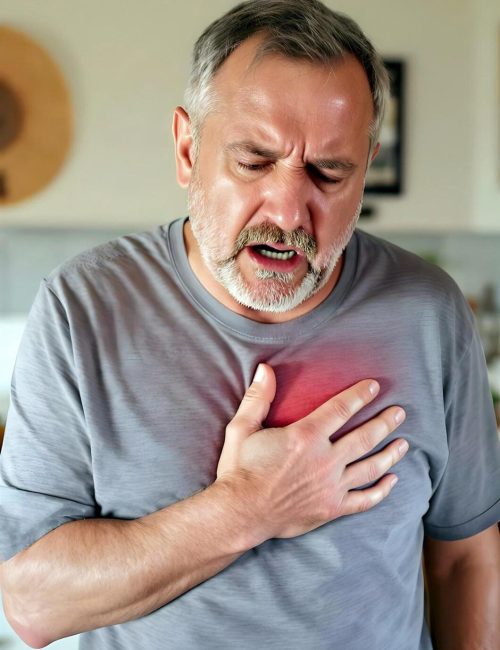
What is heart failure?
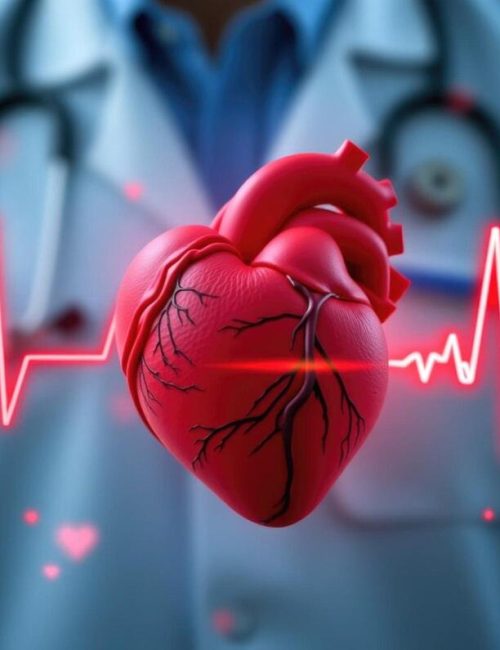
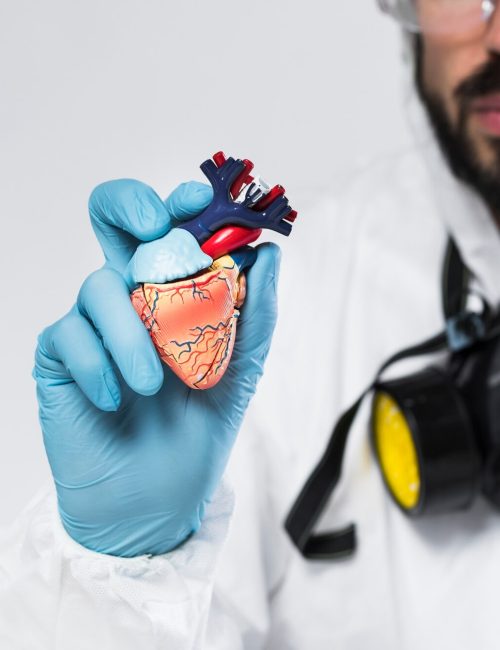
Heart failure, also known as congestive heart failure, occurs when the heart muscle becomes weak or damaged and cannot pump enough oxygen-rich blood to the body. Sometimes the heart doesn’t fill with enough blood, and in other cases it cannot pump forcefully enough to circulate it properly.
What causes heart failure?
Heart failure usually develops gradually due to conditions such as:
Coronary artery disease
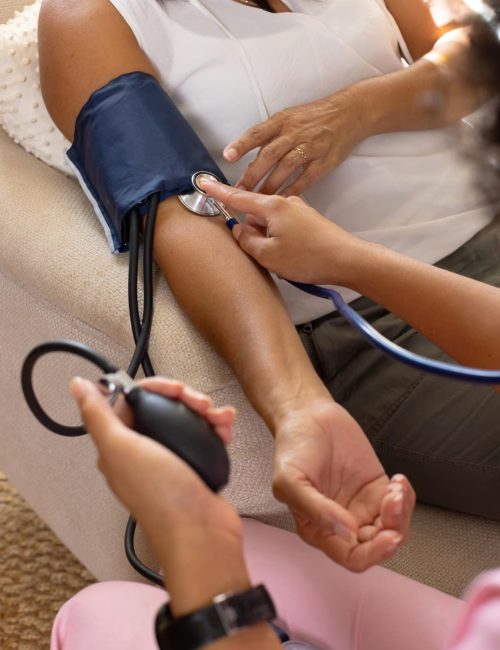
High blood pressure (hypertension)
Heart valve disease
Myocarditis (inflammation of the heart muscle)
Irregular heart rhythms (arrhythmias)
Thyroid disorders
Diabetes
Obesity
Sleep apnea, alcohol or drug misuse, and certain medications can also increase your risk.
What symptoms develop if I have heart failure?
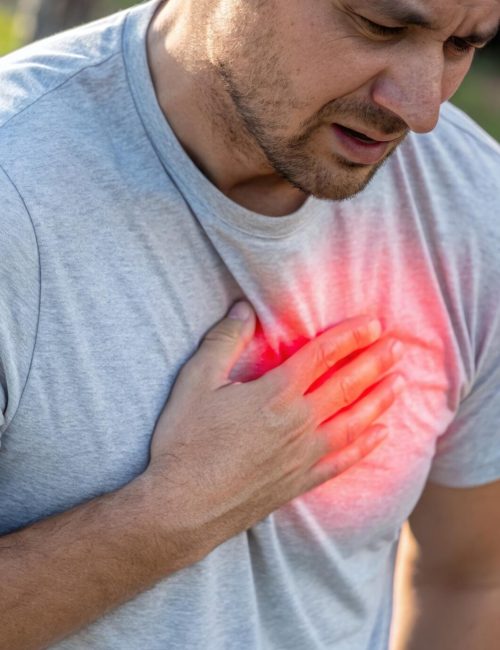
You may experience one or more of the following:
Fatigue and weakness
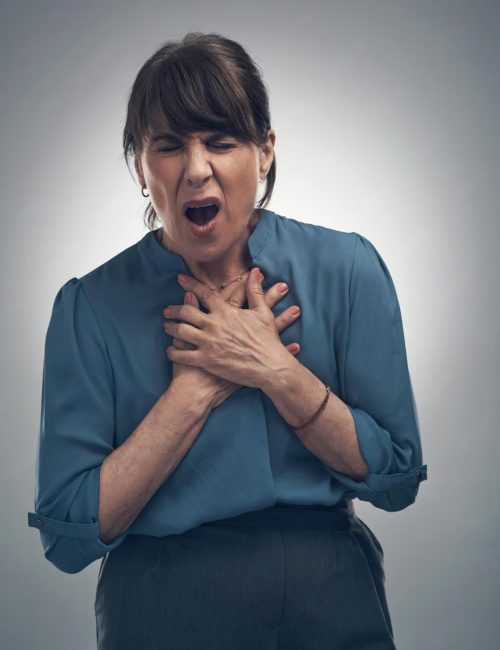
Shortness of breath during daily activities
Swelling in legs, ankles, or feet
Abdominal swelling
Rapid or irregular heartbeat
Reduced ability to exercise
Persistent cough, often worse when lying down
Frequent urination at night
Loss of appetite
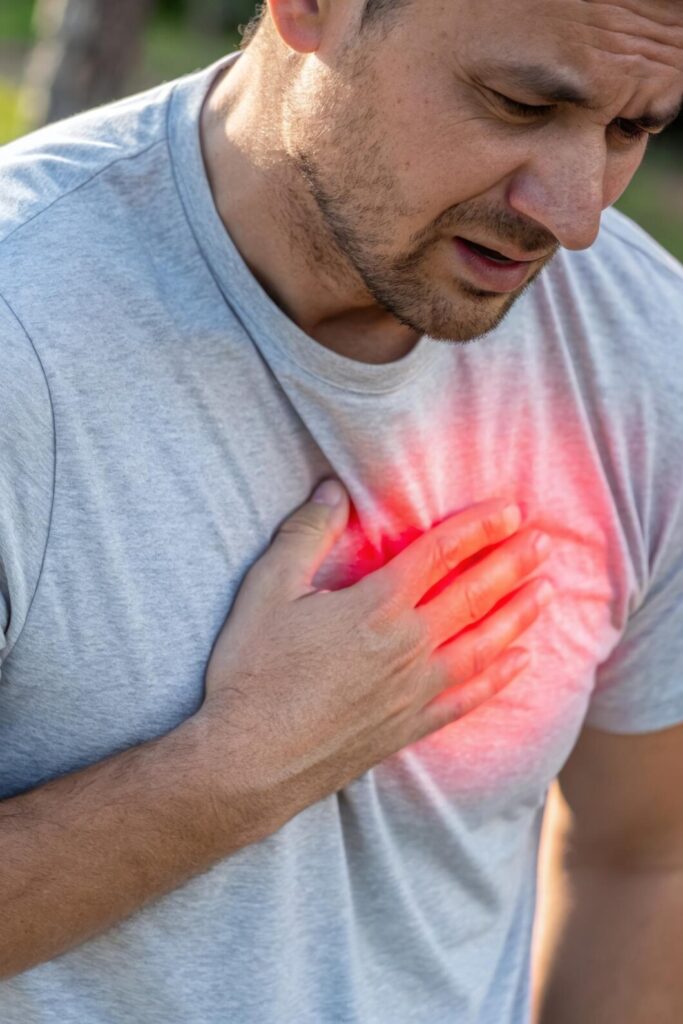
This swelling (edema) happens because fluid builds up in the body.
How is heart failure treated?
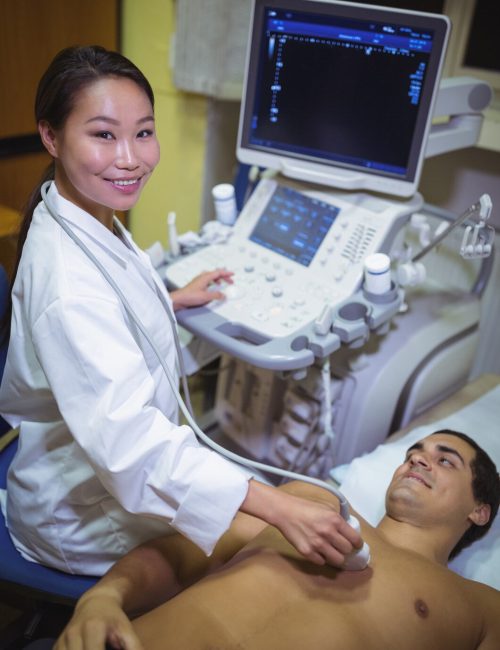
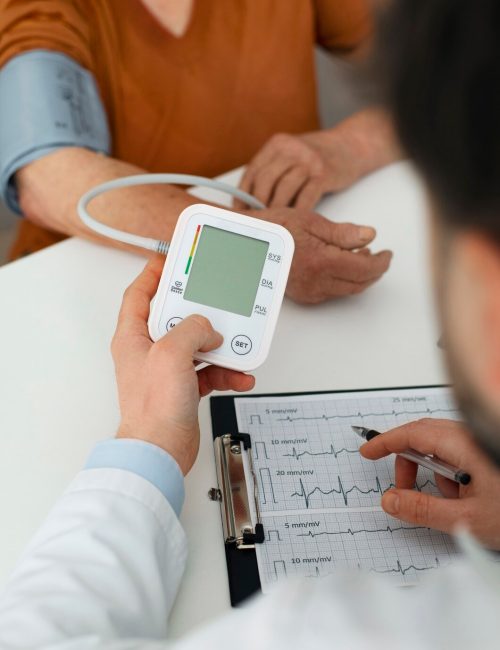
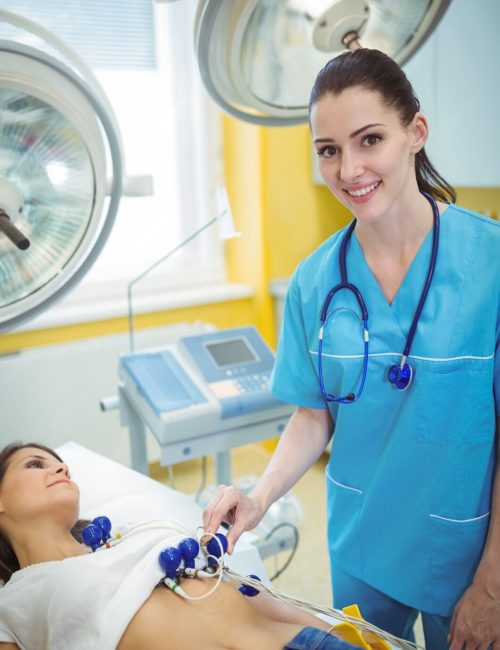
At Padder Health Services, diagnostic tests such as an electrocardiogram, echocardiogram, stress test, or Doppler ultrasound may be performed. Treatment focuses on three main goals: managing the underlying cause, relieving symptoms, and preventing progression of the condition.
Treatment may include lifestyle changes like improved diet and exercise along with medications that lower blood pressure, relax blood vessels, reduce fluid buildup, control heart rate, or strengthen heart function.
Will I need surgery to treat heart failure?
Some patients may benefit from minimally invasive procedures. Depending on the cause, treatment may include repairing valve problems or opening blocked arteries. Devices such as an implantable cardioverter-defibrillator (ICD) can stabilize heart rhythm, and in certain cases a ventricular assist device may help the heart pump blood effectively.
If you have questions about heart failure or want to schedule a consultation, call Padder Health Services or book an appointment online today.