What are palpitations?
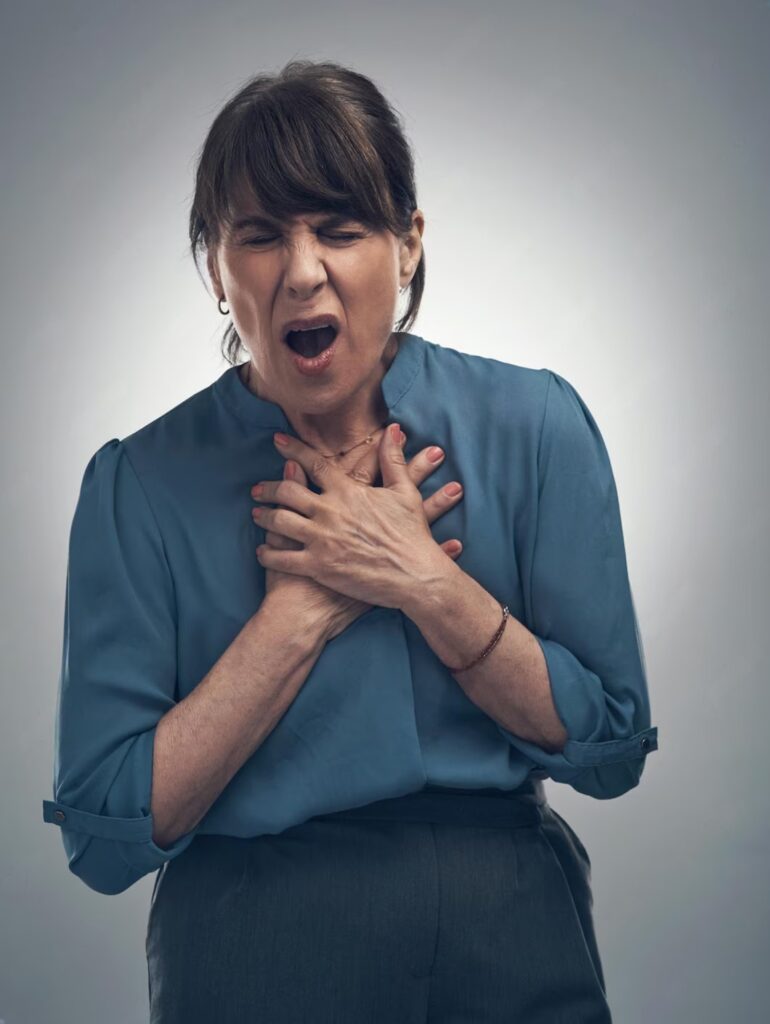
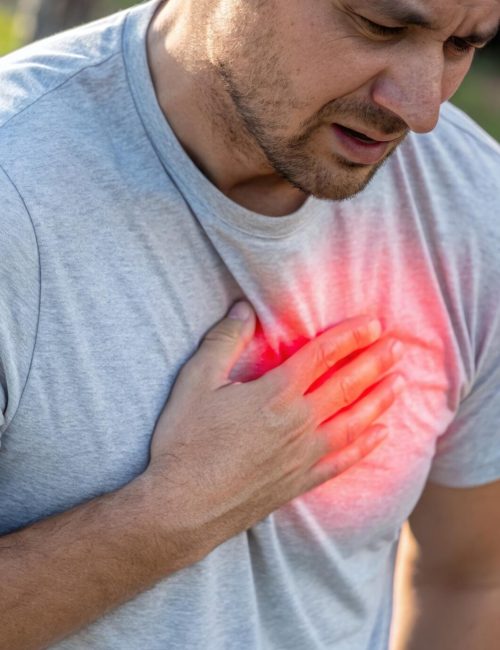
Heart palpitations are the sensation of an abnormal or irregular heartbeat. They may feel like fluttering, pounding, an extra beat, or a skipped beat, and sometimes you can notice them in your neck or throat. In many cases they are harmless, but they can also signal an underlying heart condition.
What causes palpitations?
Palpitations may occur due to heart-related problems such as arrhythmias, valve disorders, heart failure, or other cardiovascular diseases. They can also be triggered by:
When should I talk to a doctor about palpitations?
Although many causes are benign, the only way to know the reason for your symptoms is through medical evaluation. Schedule a visit if palpitations are frequent or persistent.
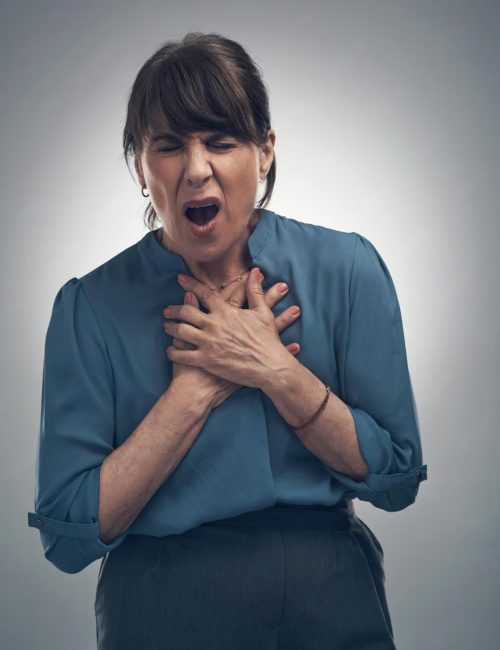
Seek urgent medical care if they occur with chest pain, shortness of breath, fainting, or dizziness.
How is the cause of palpitations diagnosed?
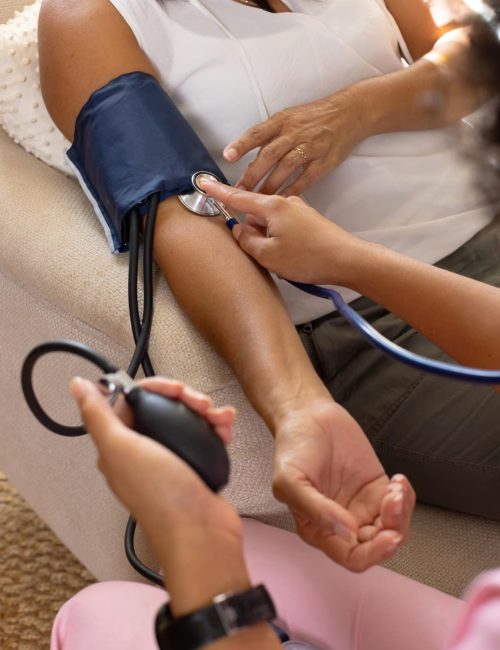
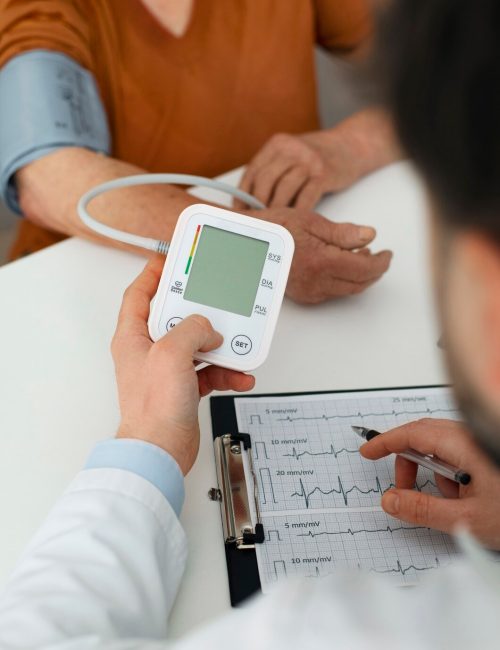
At Padder Health Services, evaluation begins with a review of your symptoms, medical history, and lifestyle habits, followed by a physical examination including heart and lung assessment and blood pressure measurement. Blood and urine tests may also be ordered.
Additional diagnostic tests may include:
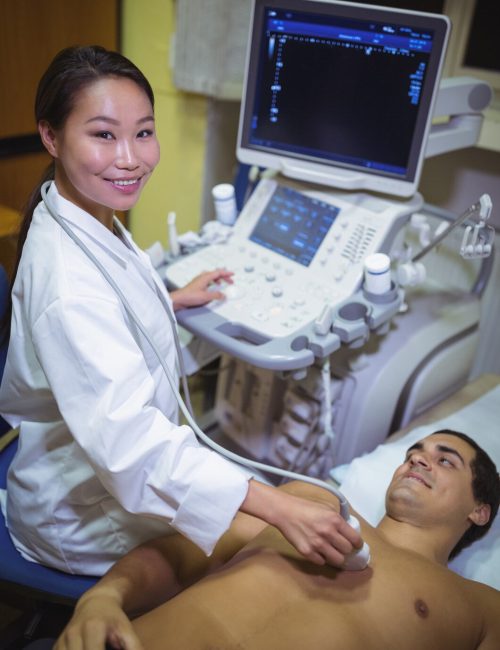
Echocardiogram
Electrocardiogram (ECG)
Stress test
Chest X-ray
Coronary angiography
If more detailed monitoring is needed, you may be asked to wear a Holter monitor or event monitor for 24 hours or longer to track heart rhythm.
How are heart palpitations treated?
Treatment depends on the underlying cause. Many patients benefit from lifestyle changes such as a healthier diet, regular physical activity, and stress management. When necessary, medications or specialized cardiac procedures may be recommended to restore normal heart rhythm and function.
In certain cases, a small insertable cardiac monitor may be used to continuously track heart rhythm and help guide treatment decisions.
If you’re experiencing heart palpitations, call Padder Health Services or book an appointment online today.